Small in Stature, Towering in Impact: Remembering Denice Edwards
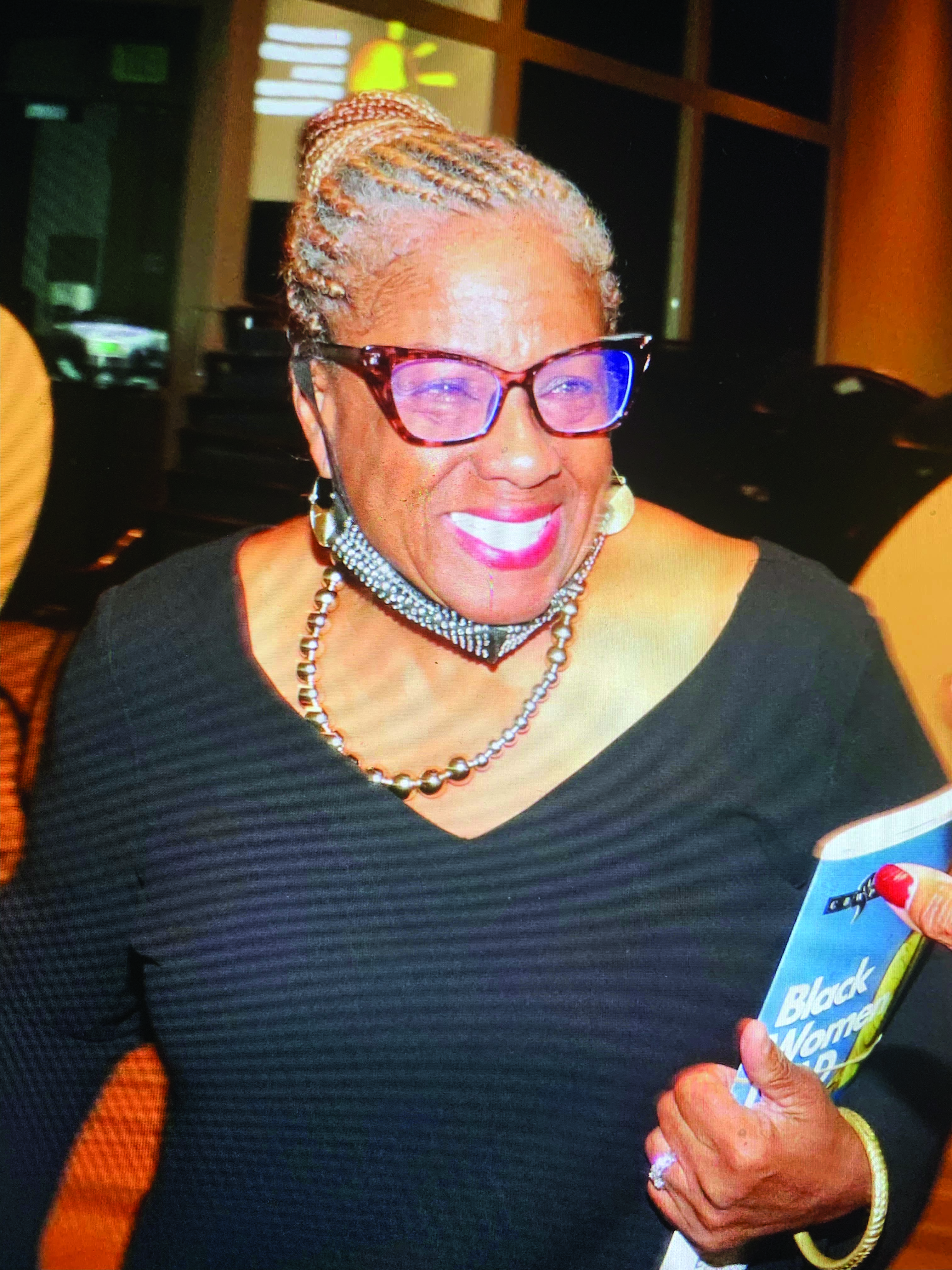
Small in Stature, Towering in Impact: Remembering Denice Edwards
Summary
Update: 2/10/2026
Honoring the Life and Legacy of Denice Edwards
Denice Michelle Edwards passed away on January 19, 2026, leaving behind a powerful legacy of service, advocacy, and love. A Celebration of Life will be held on Sunday, March 1, 2026, at 2:00 p.m. at the Cleo Parker Robinson Dance Studio, 119 Park Ave. West, Denver 80205, Denver. Family, friends, and community members are invited to gather in remembrance and gratitude for a life that touched so many.
-----
Denice Michelle Edwards stood barely five feet tall, but power and respect have never been measured in inches. Edwards transitioned to her heavenly home on Monday evening, January 19.
Raised in Denver’s Globeville and West Denver neighborhoods, she often carried the only voice representing the community into rooms where critical decisions were made.
Her grandparents, who played a crucial role in raising Denice, worked as domestic staff for cable TV magnate Bill Daniels, splitting time between Daniels’ Denver and Aspen homes. From them, Edwards learned important lessons about dignity, resilience, and navigating spaces not built for her—wisdom that would guide her through a lifetime of civic service.
Edwards enjoyed her family’s homemade Mexican food, fostering an early love for flavors that would stay with her throughout her life. She was a voracious reader and had a knack for making health remedies, cultivating curiosity and practicality from a young age.
Her journey included attending school in Aspen, moving confidently among peers from wealthy families—skiing, hiking, and exploring places like Hanging Lake outside Glenwood Springs—experiences many children and young adults from Denver’s Westside could only imagine.
In her adult life, Edwards continued her love of Mexican cuisine, was a voracious reader, and retained her knack for homemade health remedies, blending old and new knowledge, curiosity, and practicality in everything she did.
Though not a natural storyteller for crowds, she shared her memories selectively with close friends, revealing humor, insight, and warmth. These small glimpses reflected a life quietly extraordinary in intelligence, tact, and strength.
Edwards’ career of service and leadership began as an aide to City Councilman King Trimble. This position provided her initial insight into city government politics, policy, and operations.
One of her early accomplishments included ensuring that the vacant Shorter African Methodist Episcopal Church building at 19th and Park Ave. West in Denver’s Five Points neighborhood remained a historic cultural landmark. In 1988, it became the home of the Cleo Parker Robinson Dance company, a cornerstone of the city’s arts community.
Edwards went on to become special assistant to Denver’s first Black mayor, Wellington Webb, a position she held for 12 pivotal years. In City Hall, Edwards was more than an aide—she was a strategist, organizer, gatekeeper, and confidant. She was instrumental in his reelection campaigns, often overseeing the community campaign office and staff; served as a special assistant for a delegation of business leaders on a Denver mayoral visit to Cape Town, South Africa; and spearheaded fundraising for the National Black Mayors Conference in Denver. Later, she was instrumental in negotiating the establishment of the Blair Caldwell African American Resource Library in the Five Points neighborhood.
Her work as a lobbyist primarily focused on State-level politics; she successfully advocated for her community and helped shape policy at the local and state levels. Her effectiveness as a lobbyist drew national attention around 2015 when a Los Angeles Times article highlighted her role in defeating a tobacco bill backed by powerful economic stakeholders. Though she was not named, the reporter painted a vivid portrait of an individual with auburn-red hair and black clothing, quietly seated in the audience, working in opposition while drawing no suspicion.
Throughout her career, she was active in organizations such as the Junior League and the Colorado Black Women for Political Action, and developed trusted friendships and networks with civic leaders and community advocates.
Edwards’ career often included fundraising and serving as a campaign manager for candidates and causes. She was not afraid to do the work required to win a successful campaign. She championed the annual Thanksgiving holiday Feed a Family program, which provides turkey and food baskets to families in need.
Edwards often said she didn’t believe in retirement. Even with asthma, Edwards never slowed down. Her trusty inhaler was always within reach, a quiet reminder of her practicality and determination.
Denice Michelle Edwards died unexpectedly on the evening of January 19 at the Denver Coliseum while attending the MLK Jr. African American Heritage Rodeo. Before the program began and the dust was stirred up, she told the publisher of Denver Weekly News she was “going to the top.” “She left her seat and headed up the stairs to the arena portal. We never saw her again, and after the event, my photographer and I searched for her for nearly an hour, with no luck,” says Lenora Alexander. “It was not until the next morning, when a missing person report was filed, that I learned the tragic news.”
According to the narrative on the Denver Police Report, a medical assist occurred at the Coliseum at approximately 6:50 pm on January 19 when an unidentified female exited the arena, said she had difficulty breathing, then collapsed outside and stopped breathing. CPR was started, and medics were called. Despite these efforts, the victim was pronounced dead at 6:58 pm.
No cameras captured the incident, and Denice Michelle Edwards, 71, was later identified by her medical bracelet and a CO DMV photo.
Though Denice is no longer with us, her presence will be felt in every community she touched and every life she lifted. She leaves behind a legacy of quiet strength, kindness, and unwavering dedication—reminding us that true impact is measured not by stature, but by heart.
Funeral services for Denise are pending.
